
NPCI
pAYMENTS
I led the team in rewriting the narrative for a national payments platform with effective interventions for change
101%
25%
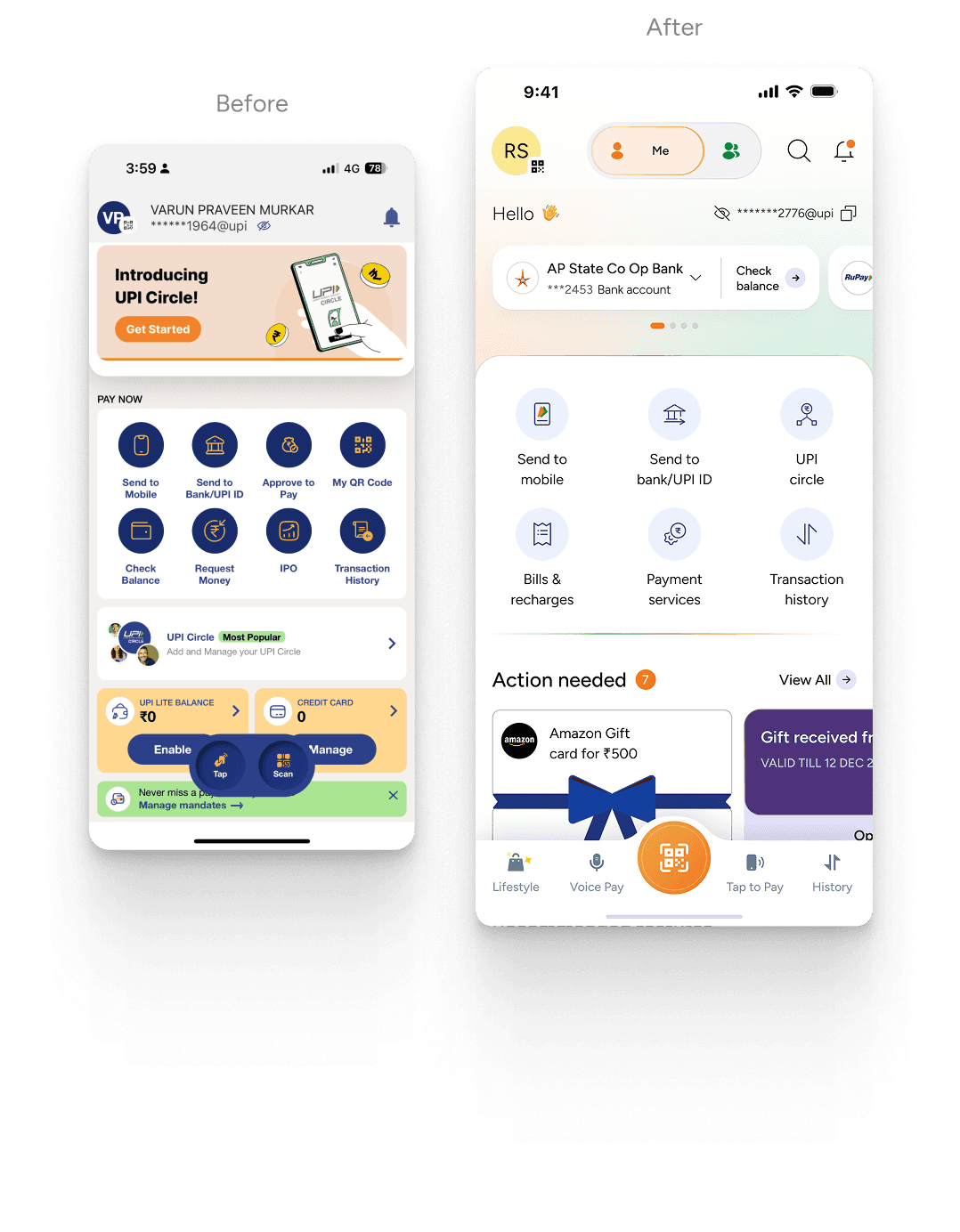

My Responsibilities
Design Strategy
Research & Discovery
UX/UI
Design System
User Testing
Timeline
July 2024 - Jan 2025
18 months
Team Members
Akanksha Mategaonkar
Product Designer L1
Niti Poddar
Product Designer L1
Platform
Android and iOS
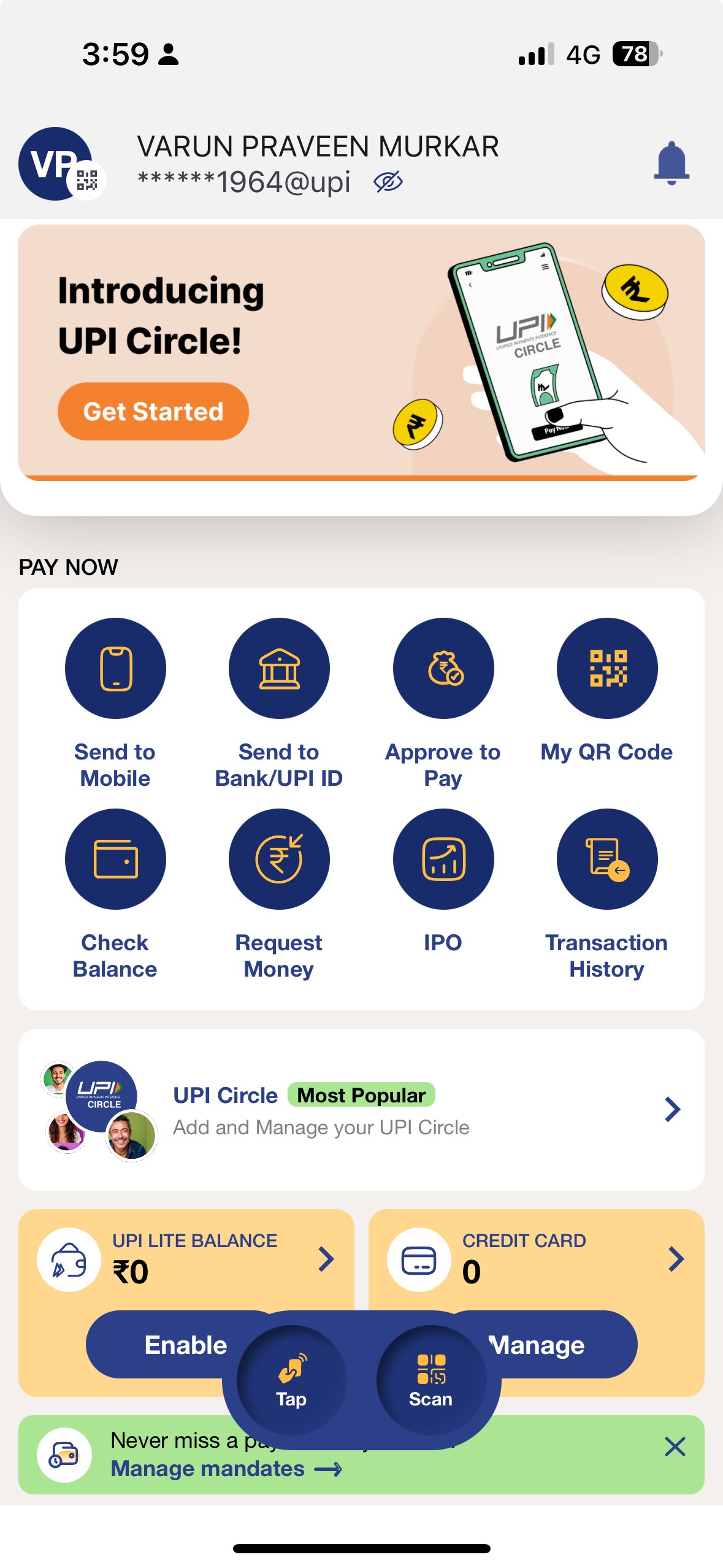
Launched in 2016 by the creators of India's UPI revolution, BHIM's technical robustness created the platform for handling $293 billion USD worth of India's digital payments. As the flagship app from NPCI—the architects of the world's most successful real-time payment system—BHIM had every advantage: government backing, direct infrastructure access, and the trust that comes with being "Bharat's Own Payment App."
Yet despite this early-mover + home turf advantage, BHIM was quickly overshadowed by late entrants like PhonePe, Google Pay, and Paytm—apps designed primarily for metro audiences with smartphone-native behaviors and English-first interfaces.
The consequences of this metro-centric approach became glaringly obvious in user feedback. App store reviews revealed a pattern of frustration that went beyond typical UX complaints:
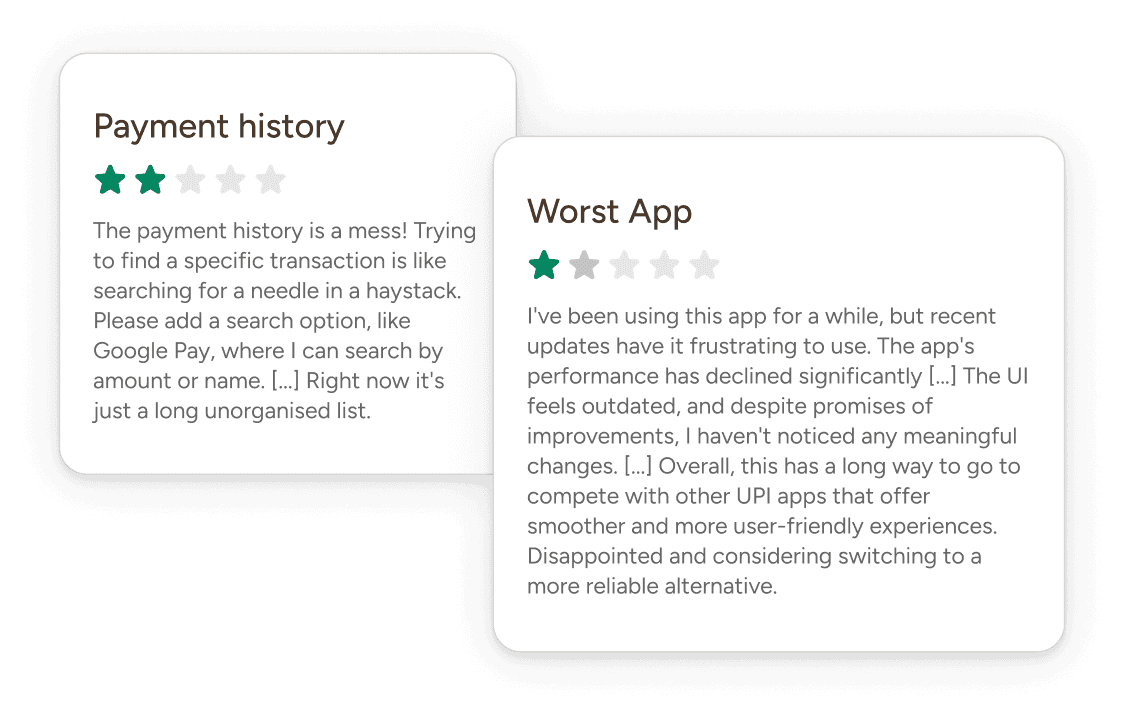
These reviews tell a deeper story than poor ratings—they reveal the cost of designing for India's top 10% while ignoring the remaining 90%. When payment apps prioritize sleek interfaces for English-speaking, digitally native users, they inadvertently exclude India2 & India3 audiences who need:
vernacular-first experiences
instead of translated interfaces
trust-building onboarding
for first-time digital payment users
progressive disclosure
rather than feature-heavy dashboards
contextual
guidance
for users transitioning from cash to digital
familiar mental models
that bridge traditional and digital money concepts
This exclusion creates a vicious cycle: as metro-focused apps gain market share, India 2 & 3 users remain underserved, widening the digital divide rather than bridging it.
Our Ambition
Here lies the fundamental difference in BHIM's mandate. While private players optimize for engagement metrics and transaction volumes from high-value urban users, NPCI's mission is to ensure that all Indians have access to payment services.
The answer lay in shifting from a feature-first approach to a human-first approach. Rather than asking "What can our technology do?" we asked "What does every Indian need their money to do?"
This led to three strategic pillars that would guide BHIM's redesign:
Personal
Everyday
Easy
Behavioural Nudges, Promos & Coupons
Making money management feel relevant and rewarding for each user's unique context
Frequency Drivers
Creating habitual touchpoints beyond just transactions—bill reminders, savings goals, family finances
frictionless Transactions
Removing complexity barriers that prevent first-time users from completing their first successful payment
During our research across India 2 & 3 markets, a recurring theme emerged that metro-designed apps often miss:
Private company apps are fine for small amounts, but for serious money, I trust the government app. When my ₹35,000 got stuck in Google Pay and their support couldn't help, I realized these companies don't care about users like me.
— Small business owner, Tier 2 city
“
I prefer cash because I can't trust online transactions handled by private companies. At least with BHIM, if something goes wrong, it's the government's responsibility.
— Daily wage worker, Rural Maharashtra
“
This revealed BHIM's unique positioning advantage: institutional trust. While private apps compete on features and marketing budgets, BHIM carries the credibility of being backed by India's central banking infrastructure.
Design guidelines
Creating truly inclusive digital experiences requires going far beyond standard accessibility guidelines. Our design principles for India 2 & 3 audiences included:
Vernacular-First, Not Translation-Later
Designing interfaces in local languages from conception, understanding cultural contexts of financial terminology
Using visual cues, animations, and progressive onboarding instead of text-heavy instructions
simplified UI for non-tech-savvy audiences
Reducing cognitive load through clear visual hierarchy and familiar interaction patterns
Trust-Building Through Transparency
Making security features visible and understandable, not hidden behind technical complexity
Providing help exactly when and where users need it, rather than generic support sections
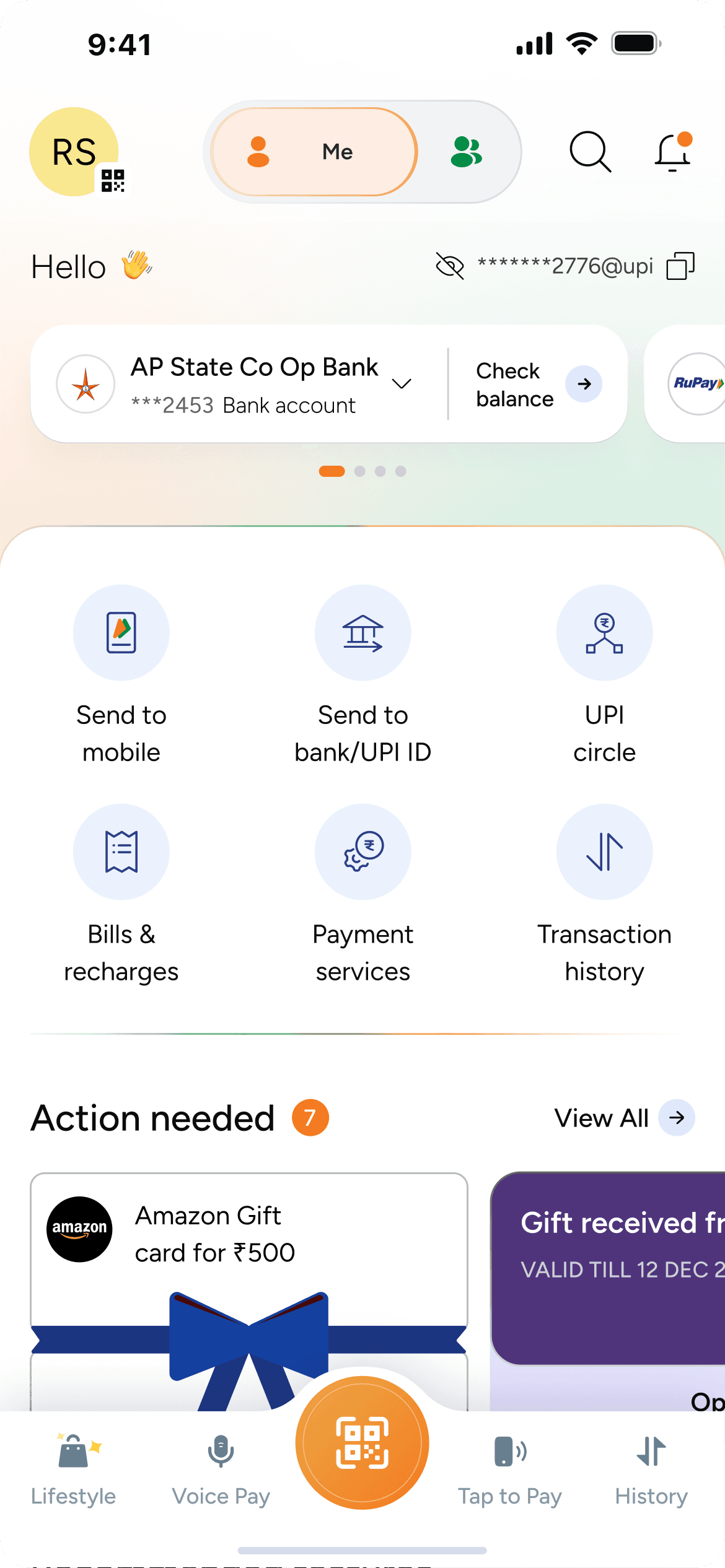
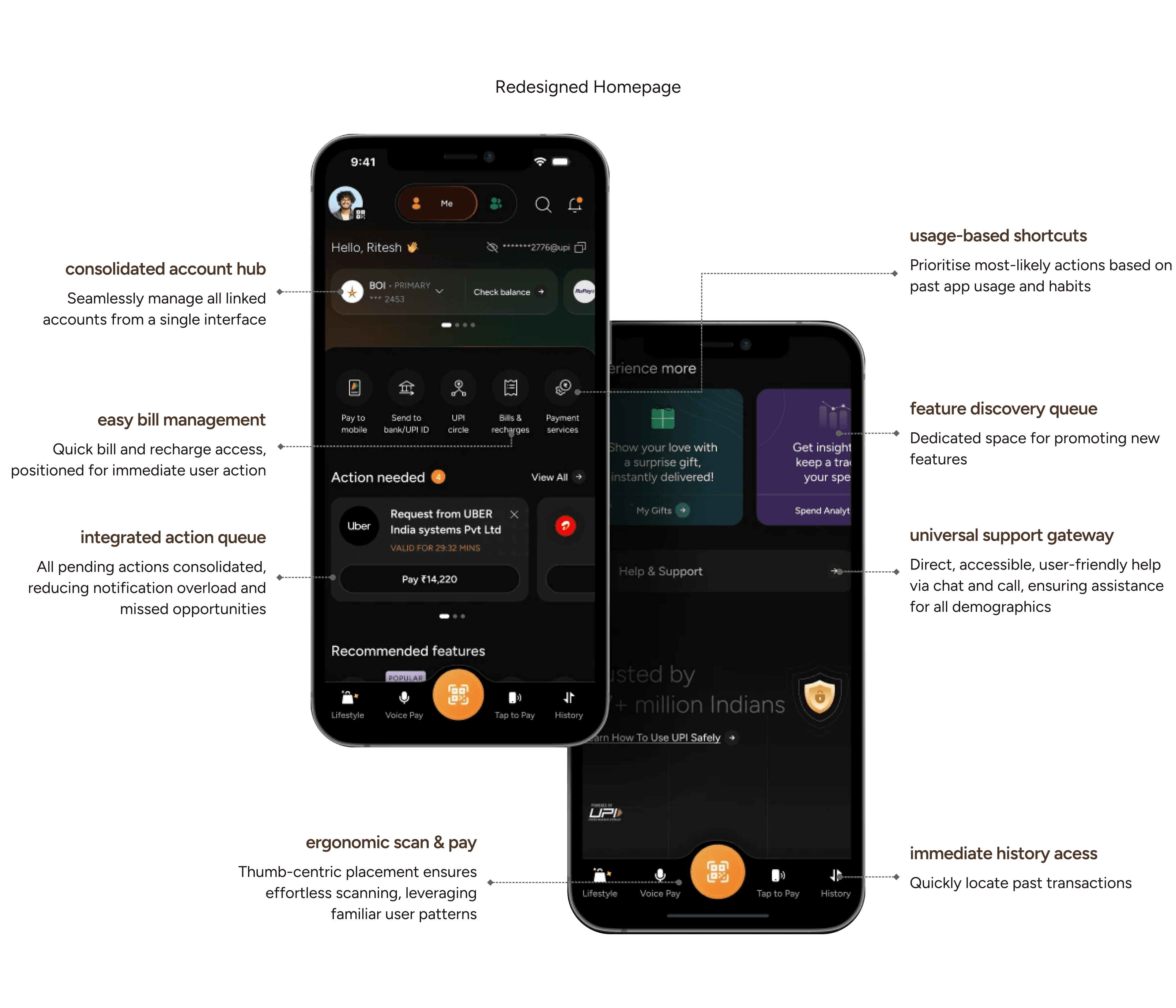
Key Interventions
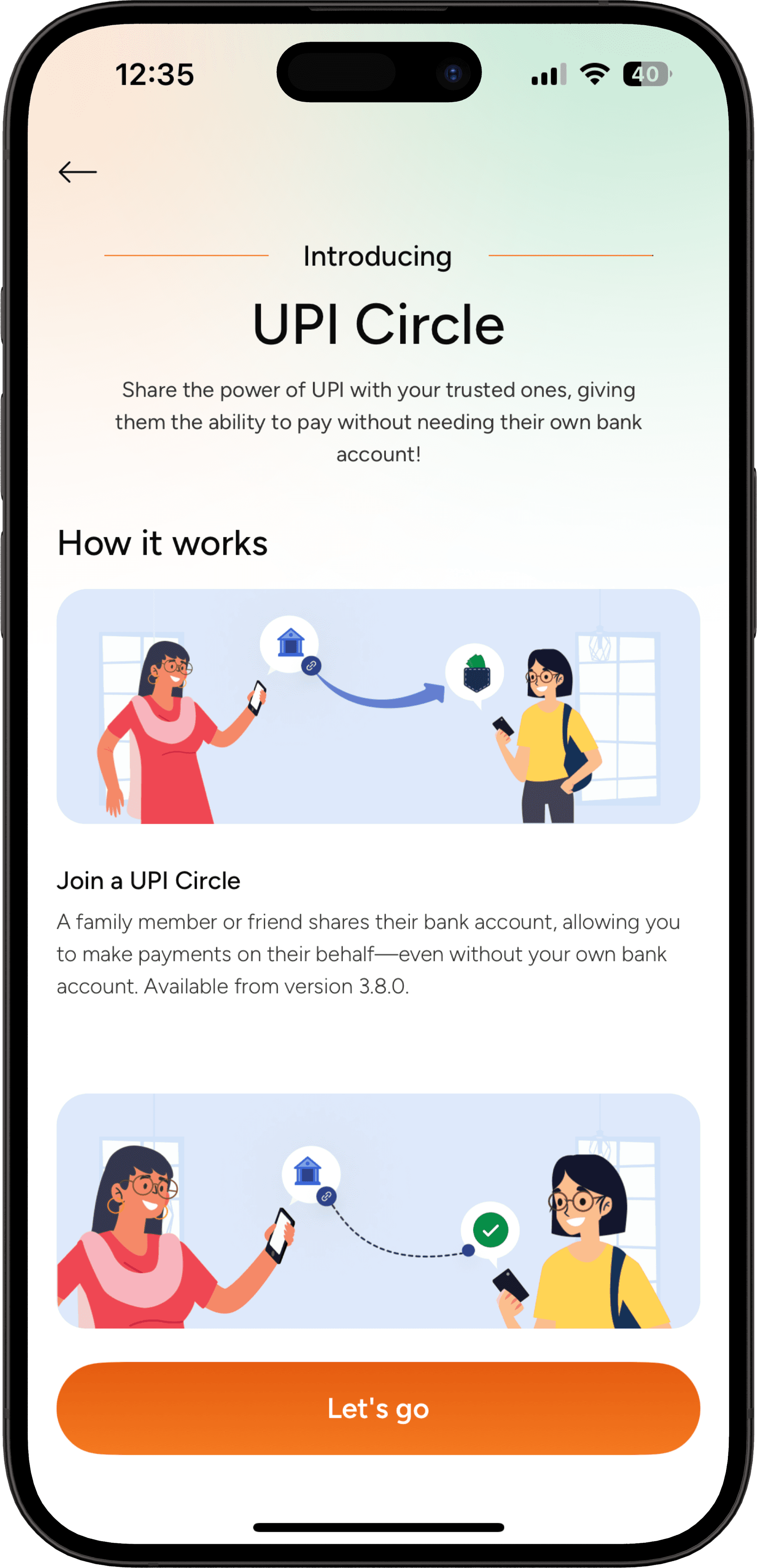
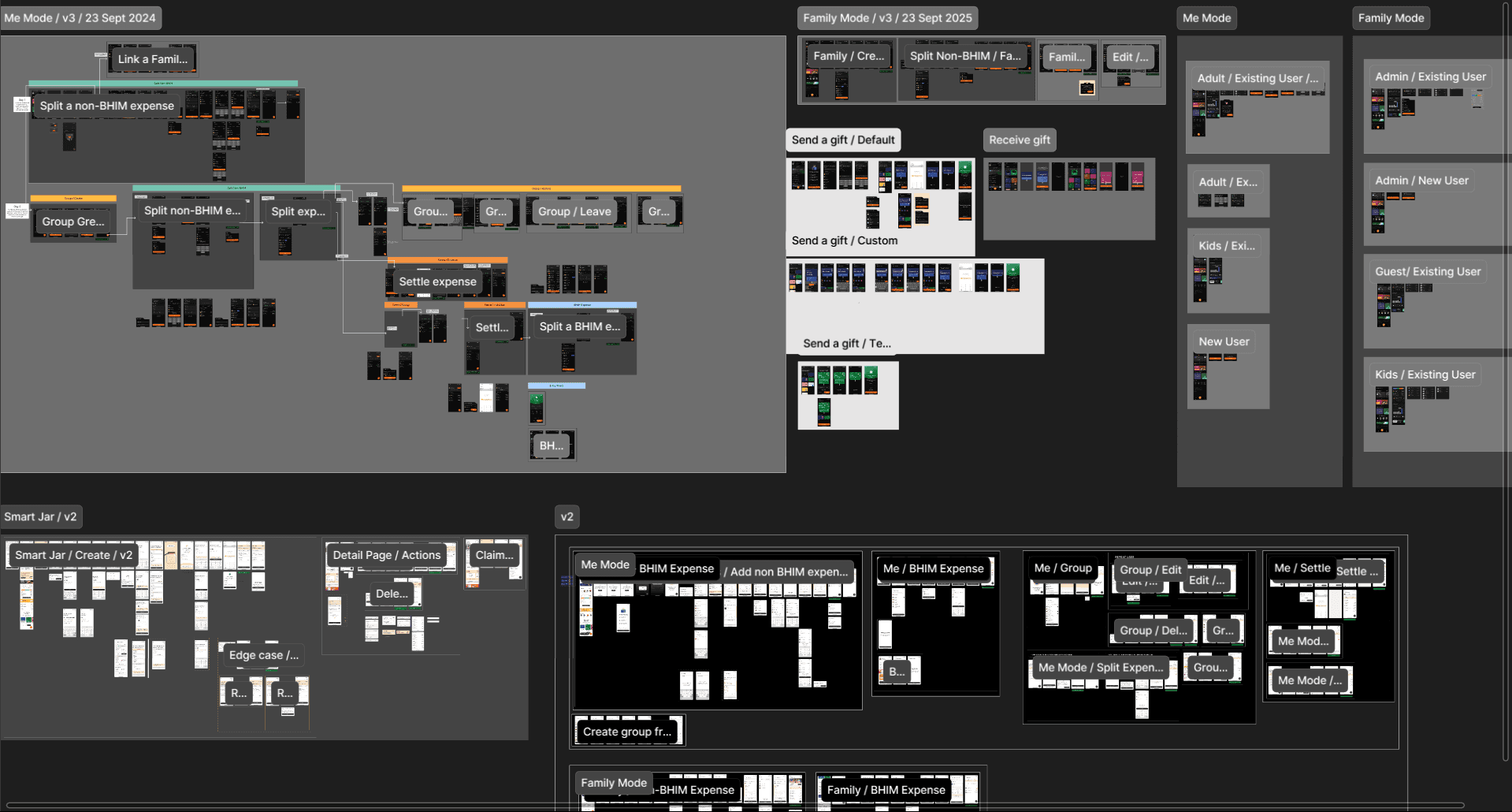
UPI circle
Enabling those without bank accounts to make payments — crucial for financial inclusion
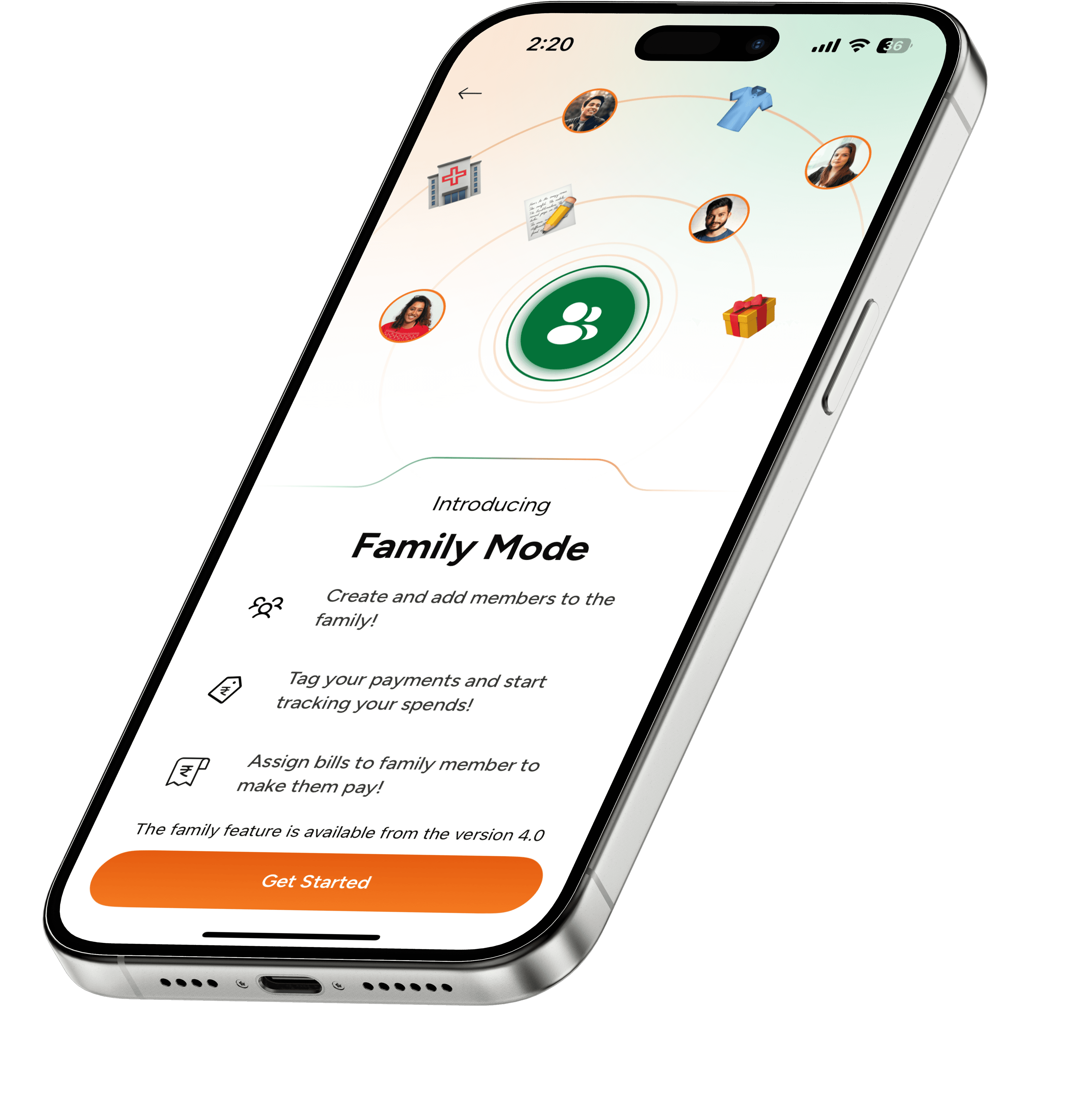
family mode
Allowing primary account holders to manage family finances while maintaining individual privacy
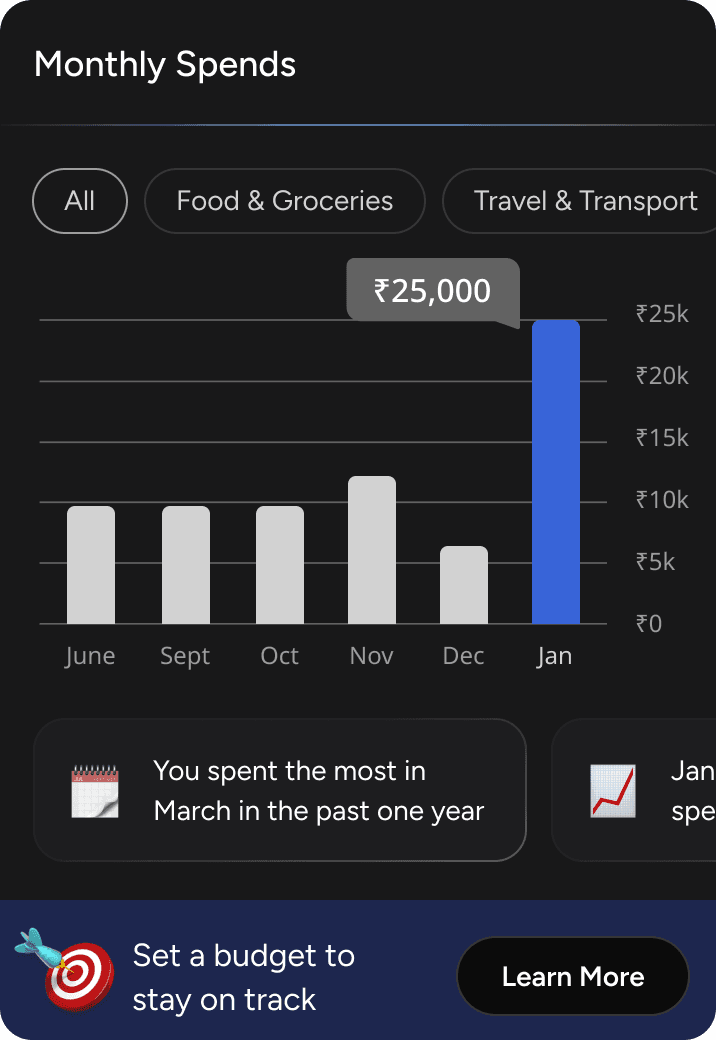
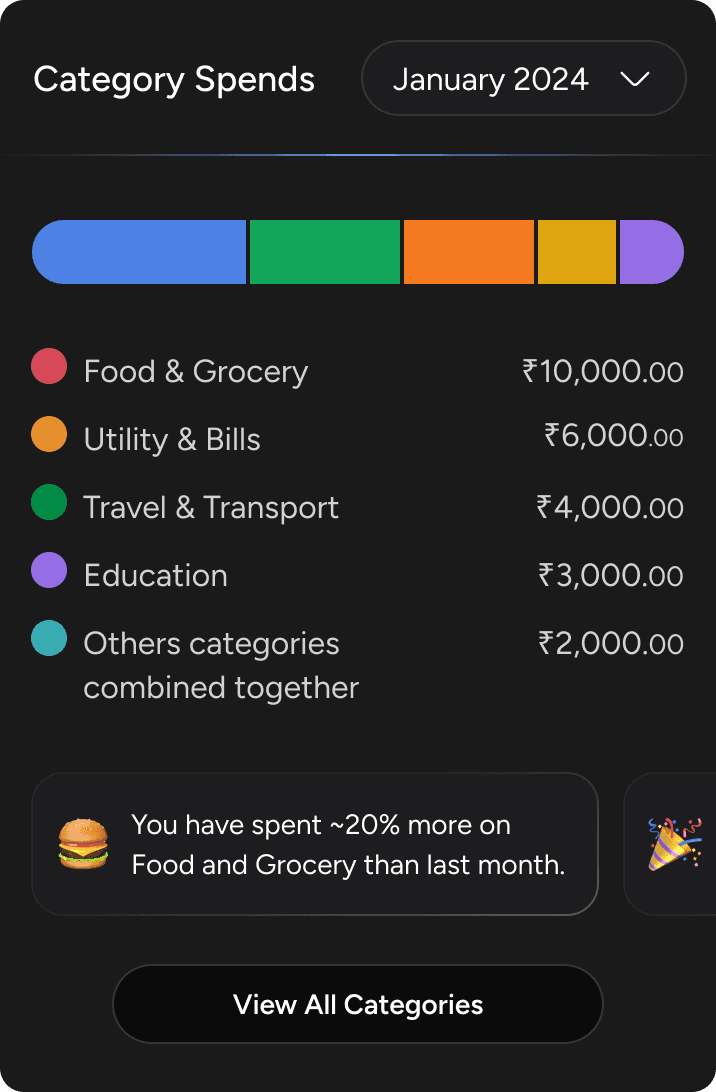
spends analysis
Helping users stay on top of their spends, and on track with their budgets
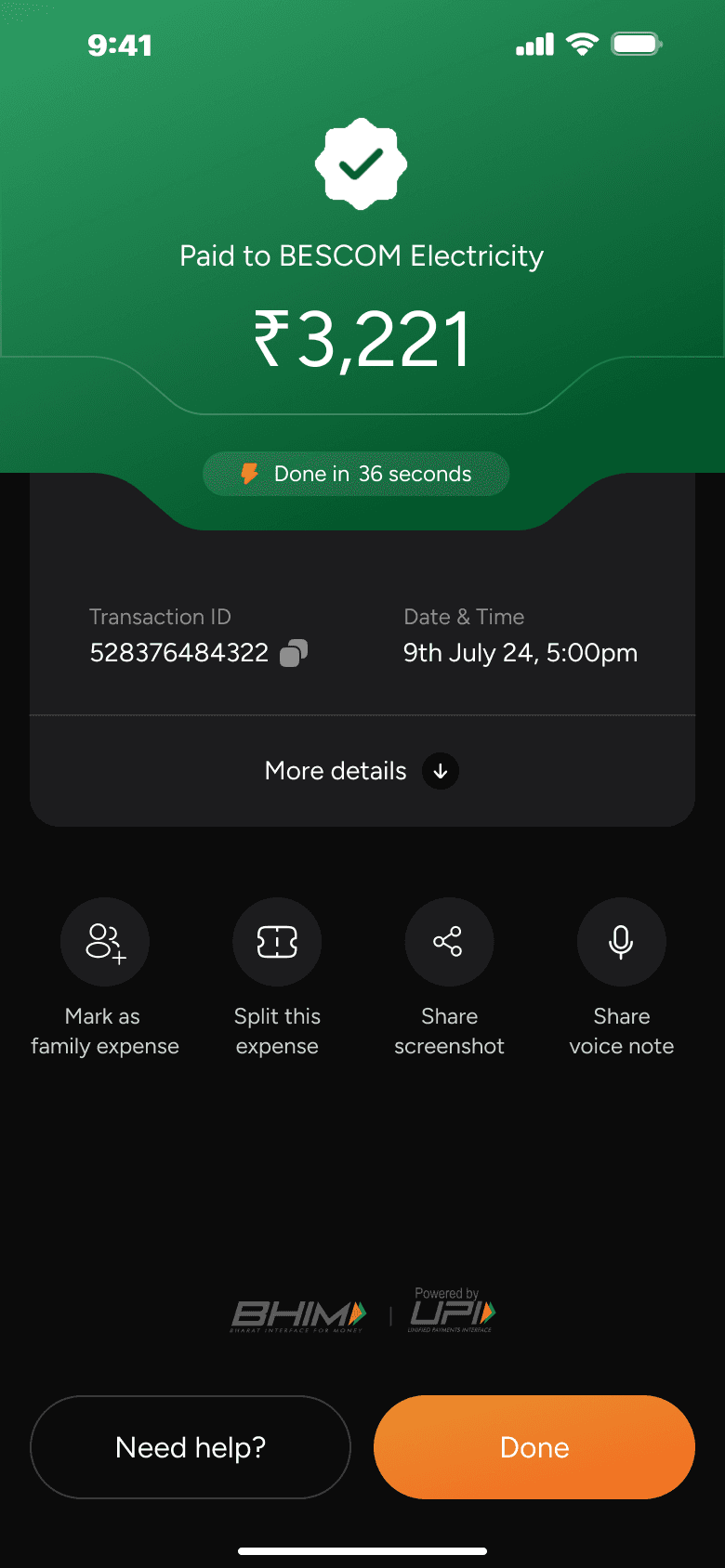
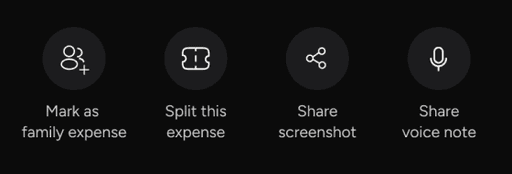
post-payment quick actions
Making money management feel relevant and rewarding for each user's unique context
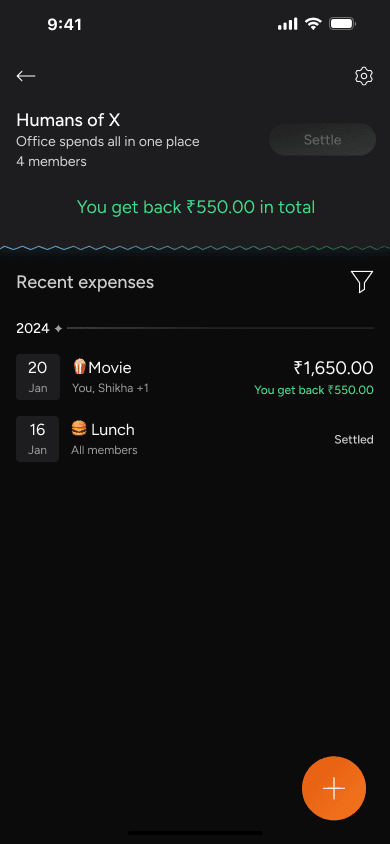
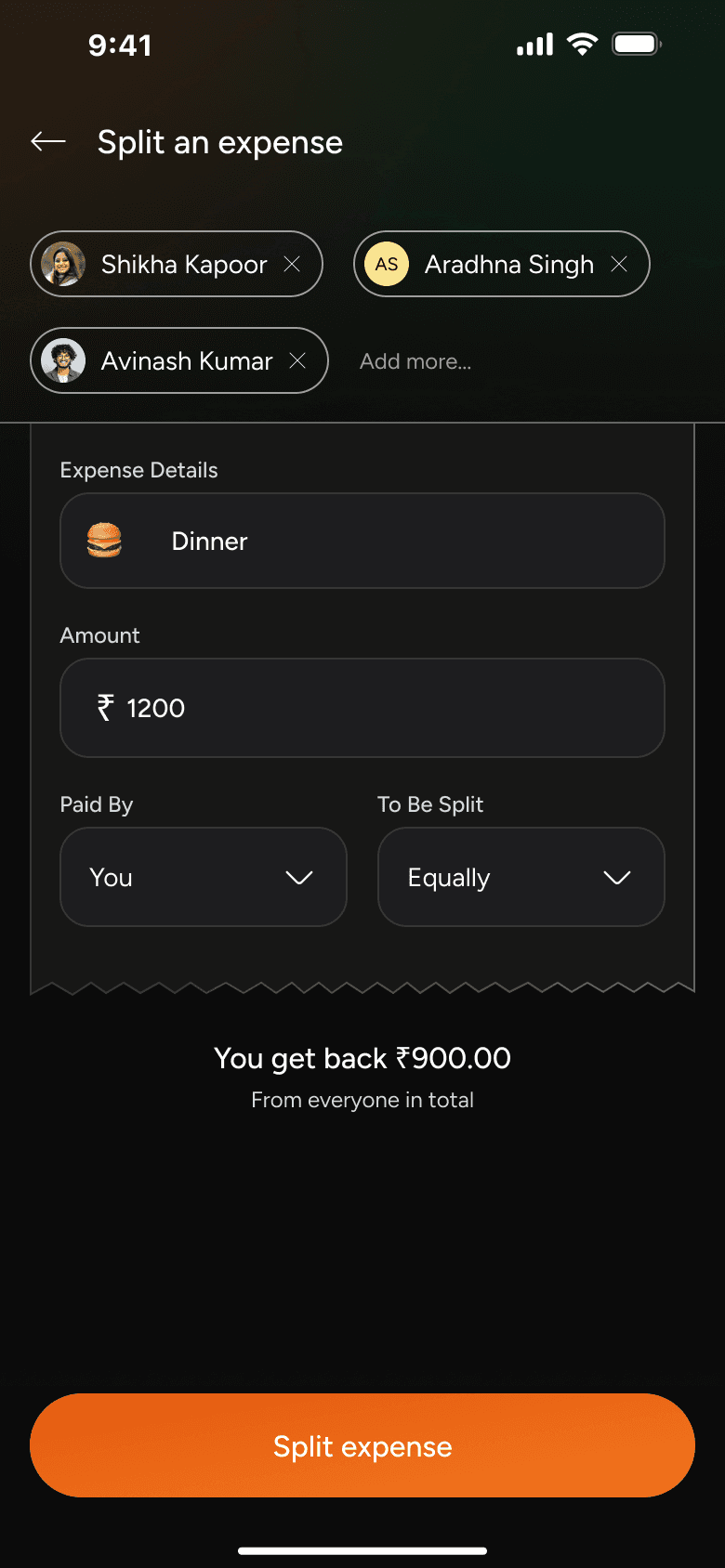
split expenses
Making group spending easier
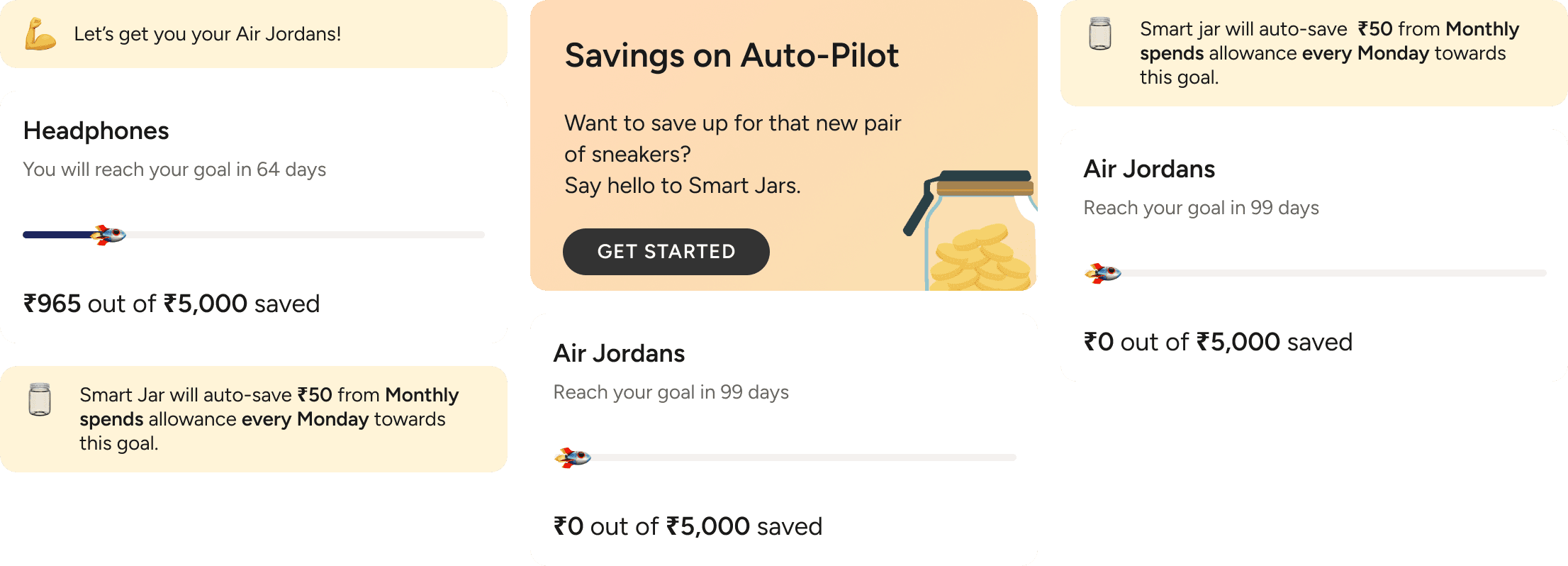
smart jars
Gamified savings that make financial goals tangible and achievable
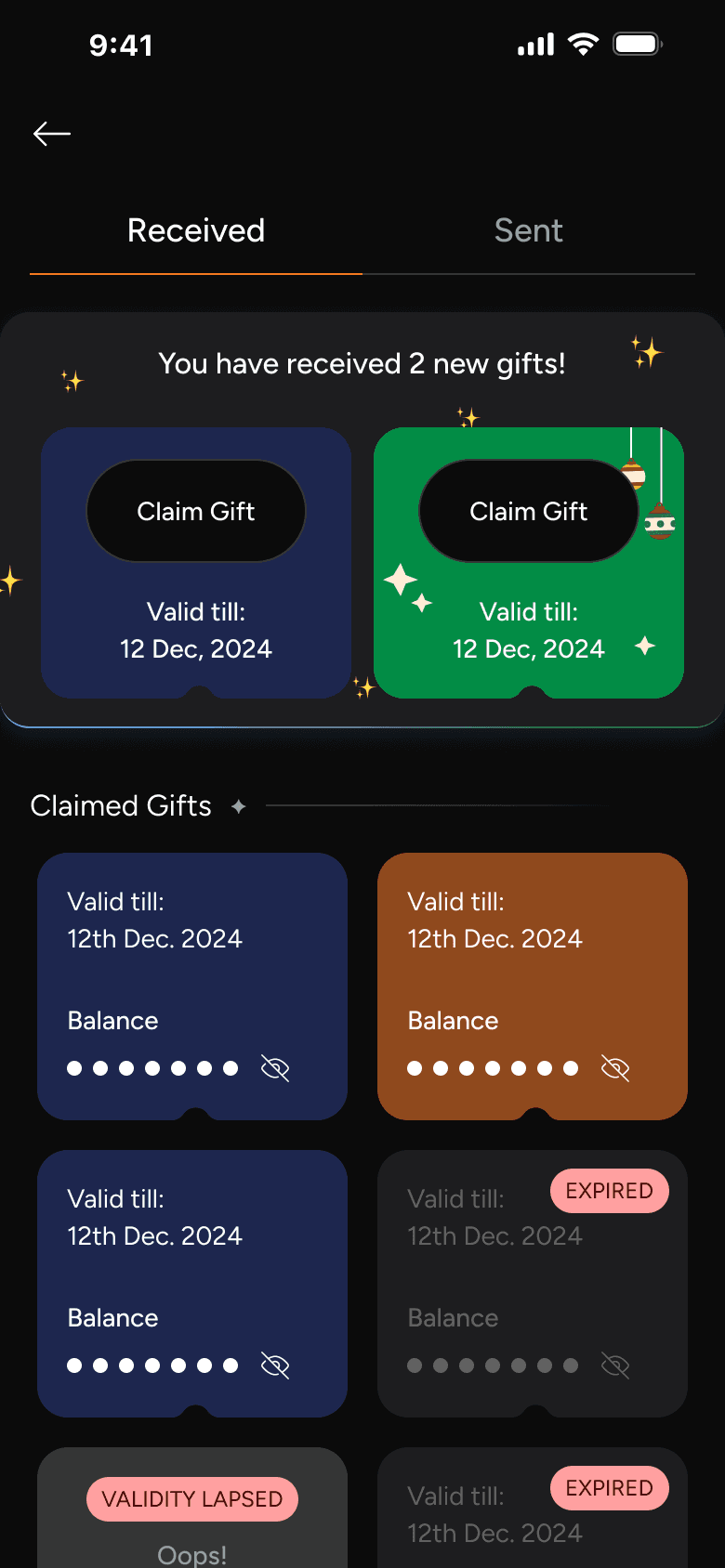
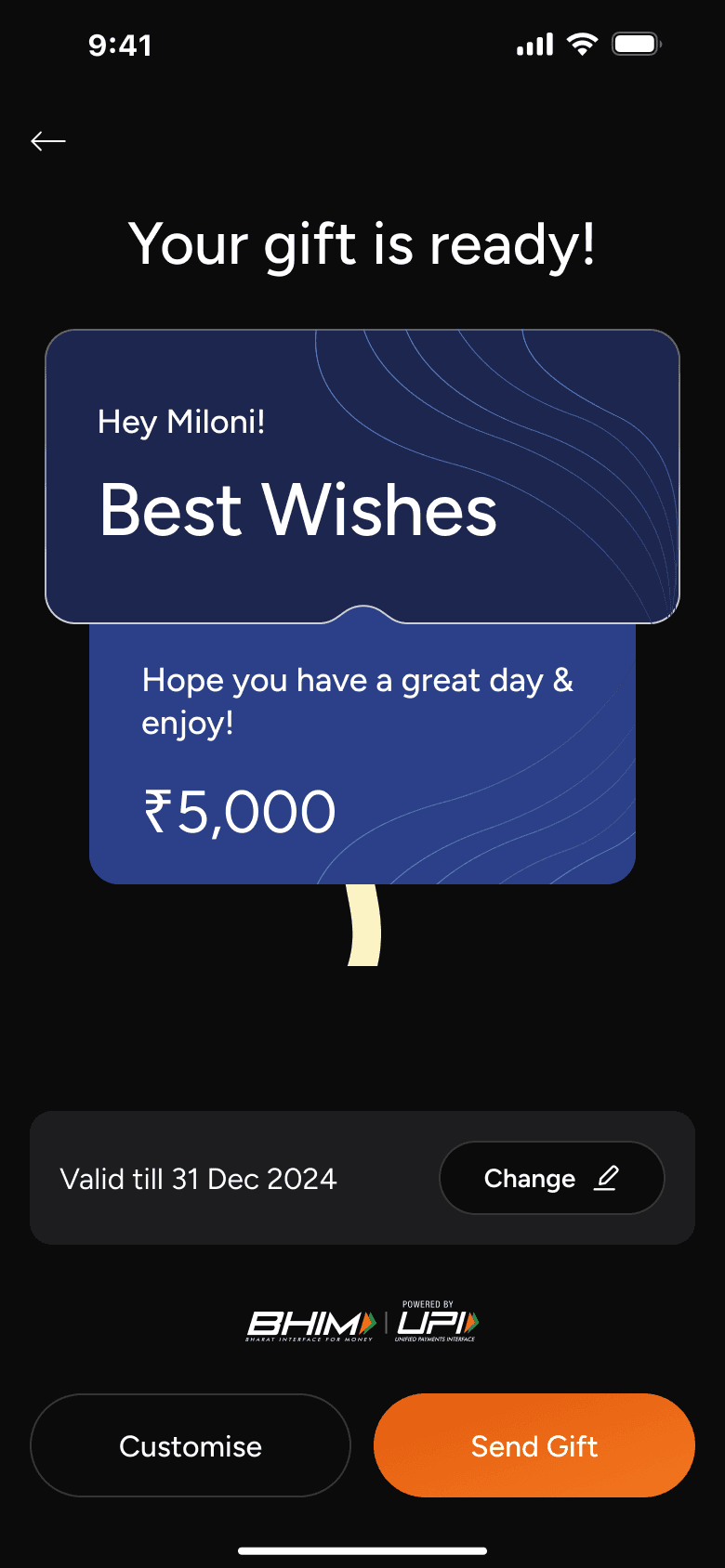
gifting
Digitising offline behaviour observed on festive occasions
😅
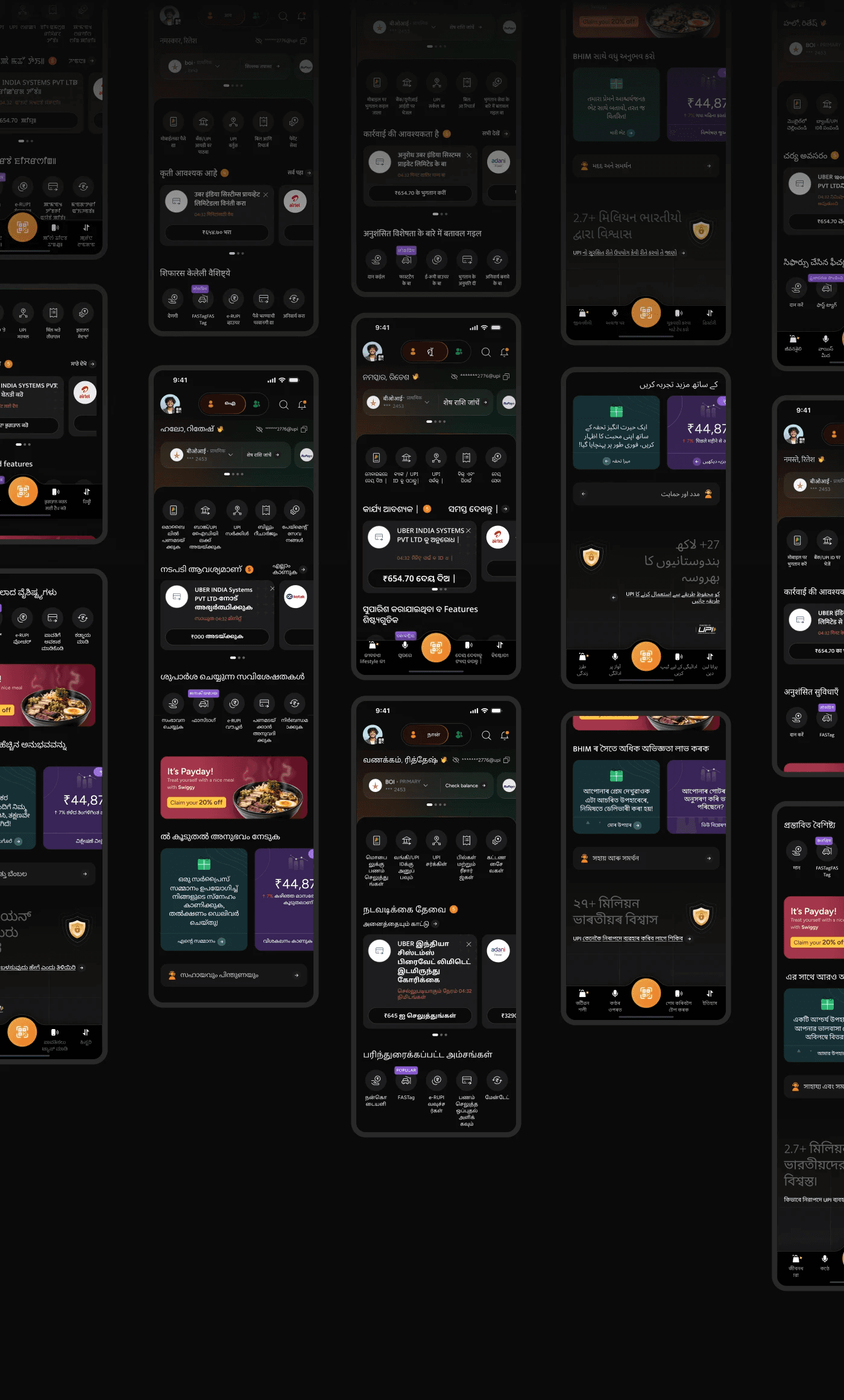
Native language support that feels natural, not translated
From Criticism to Celebration
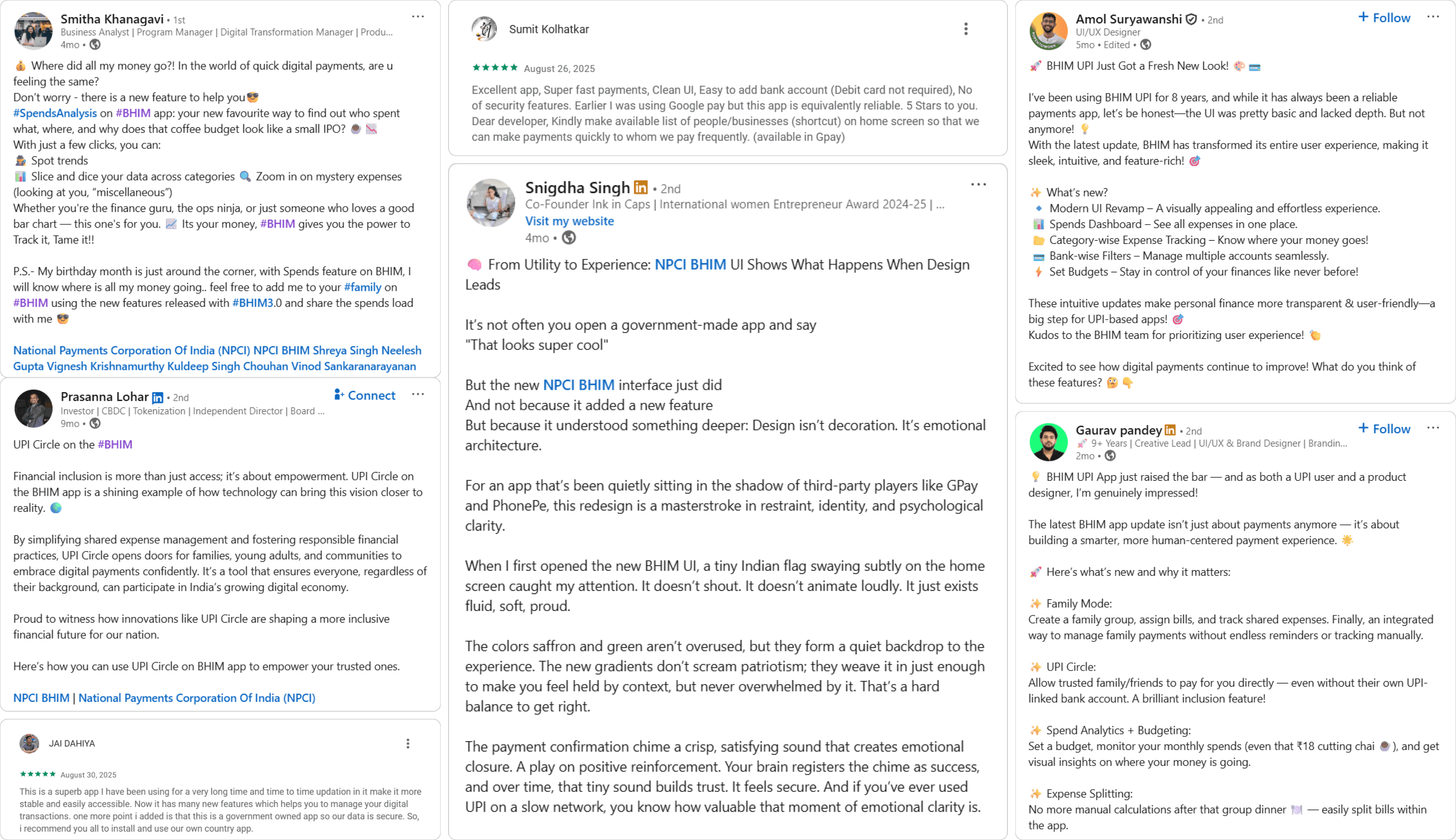
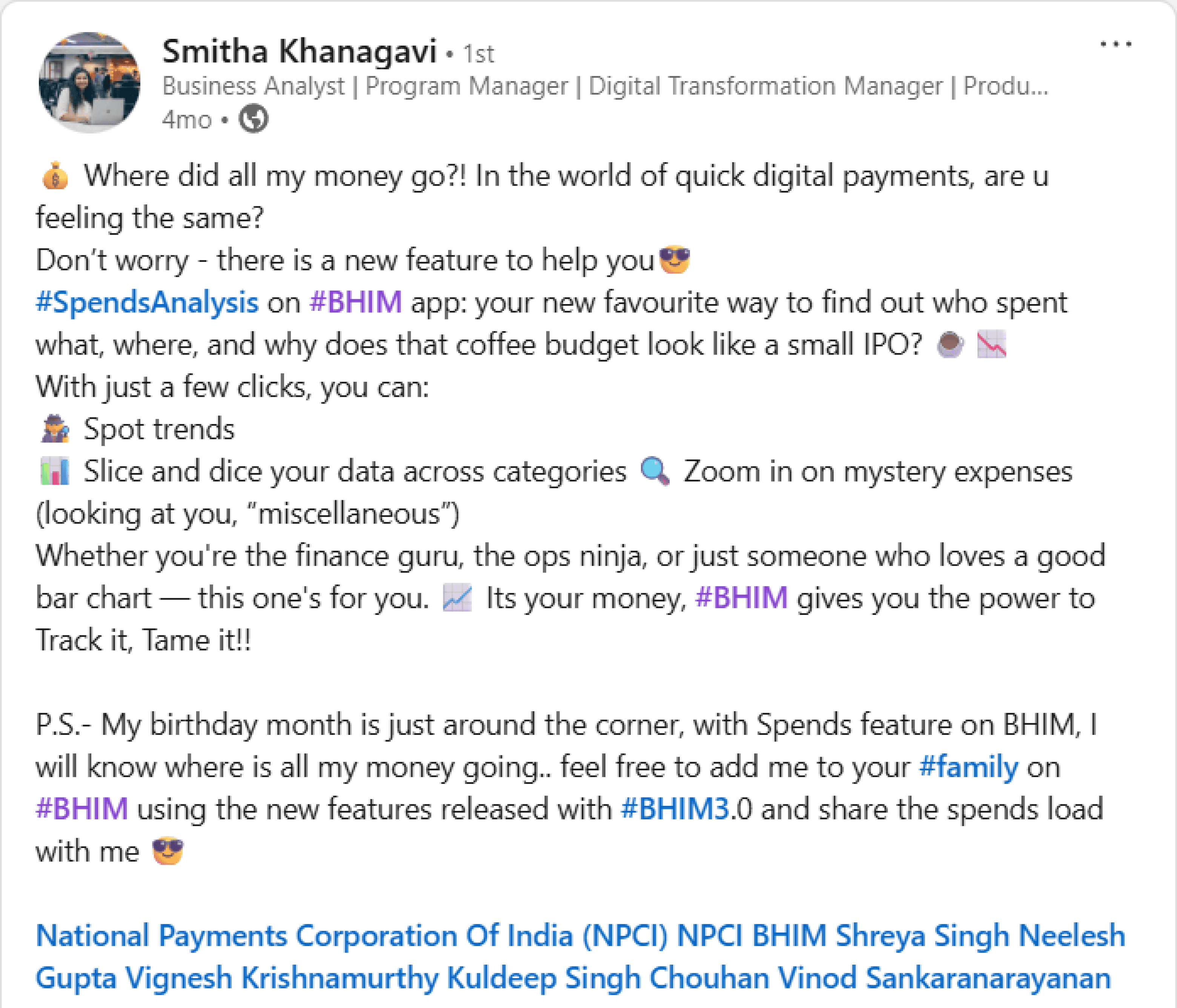
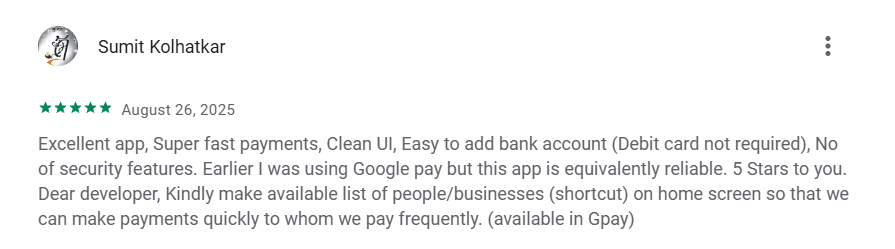
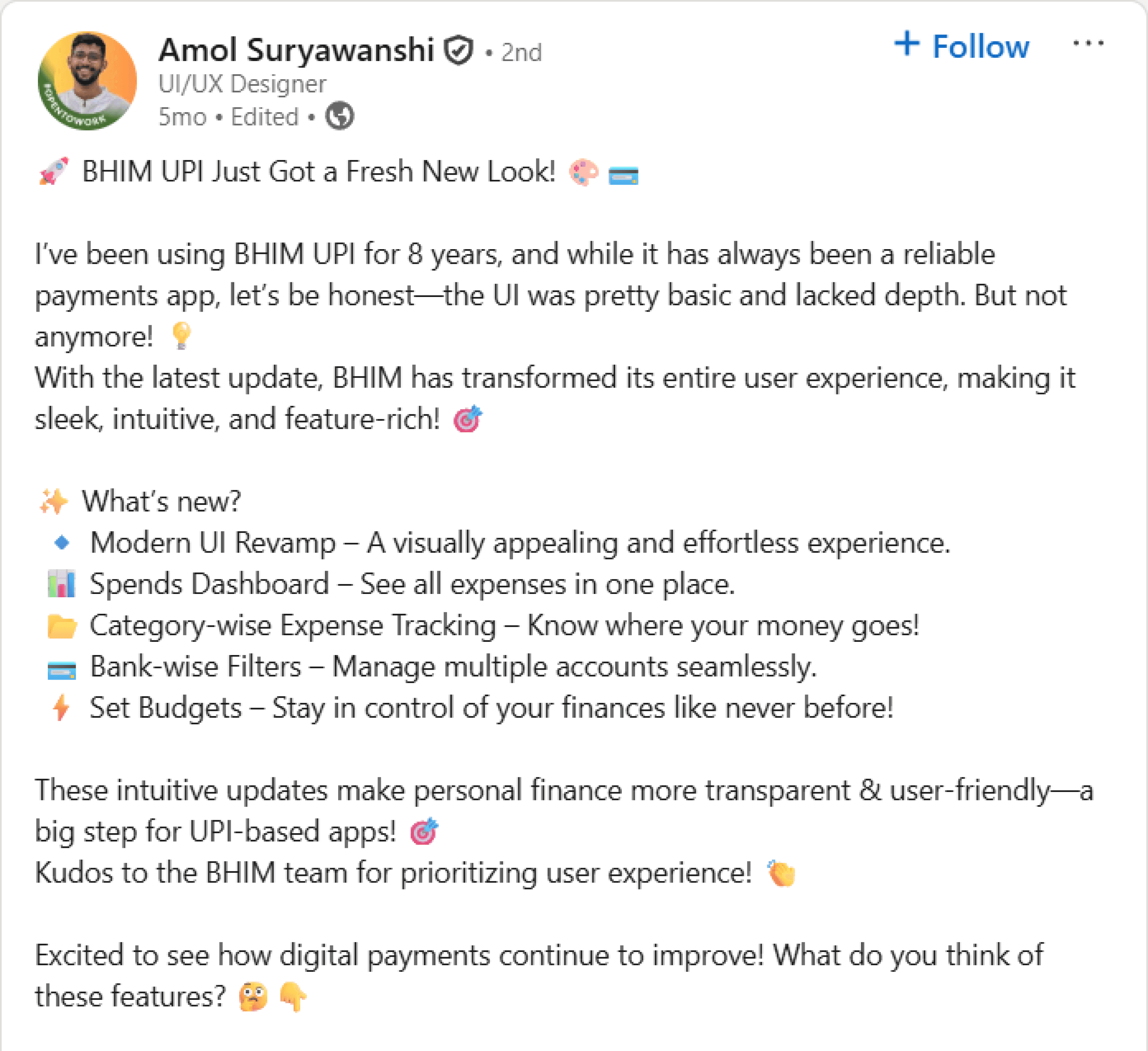
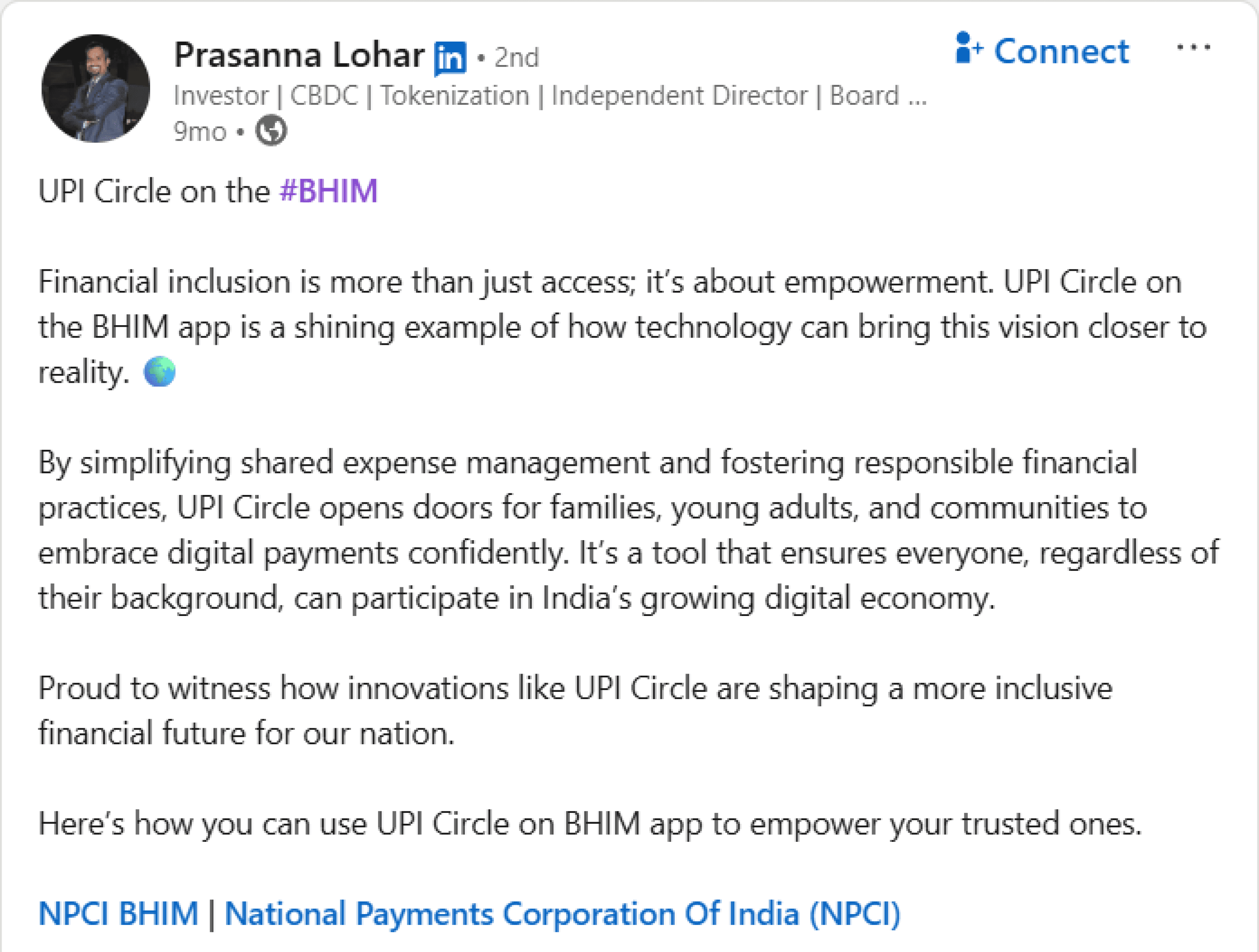
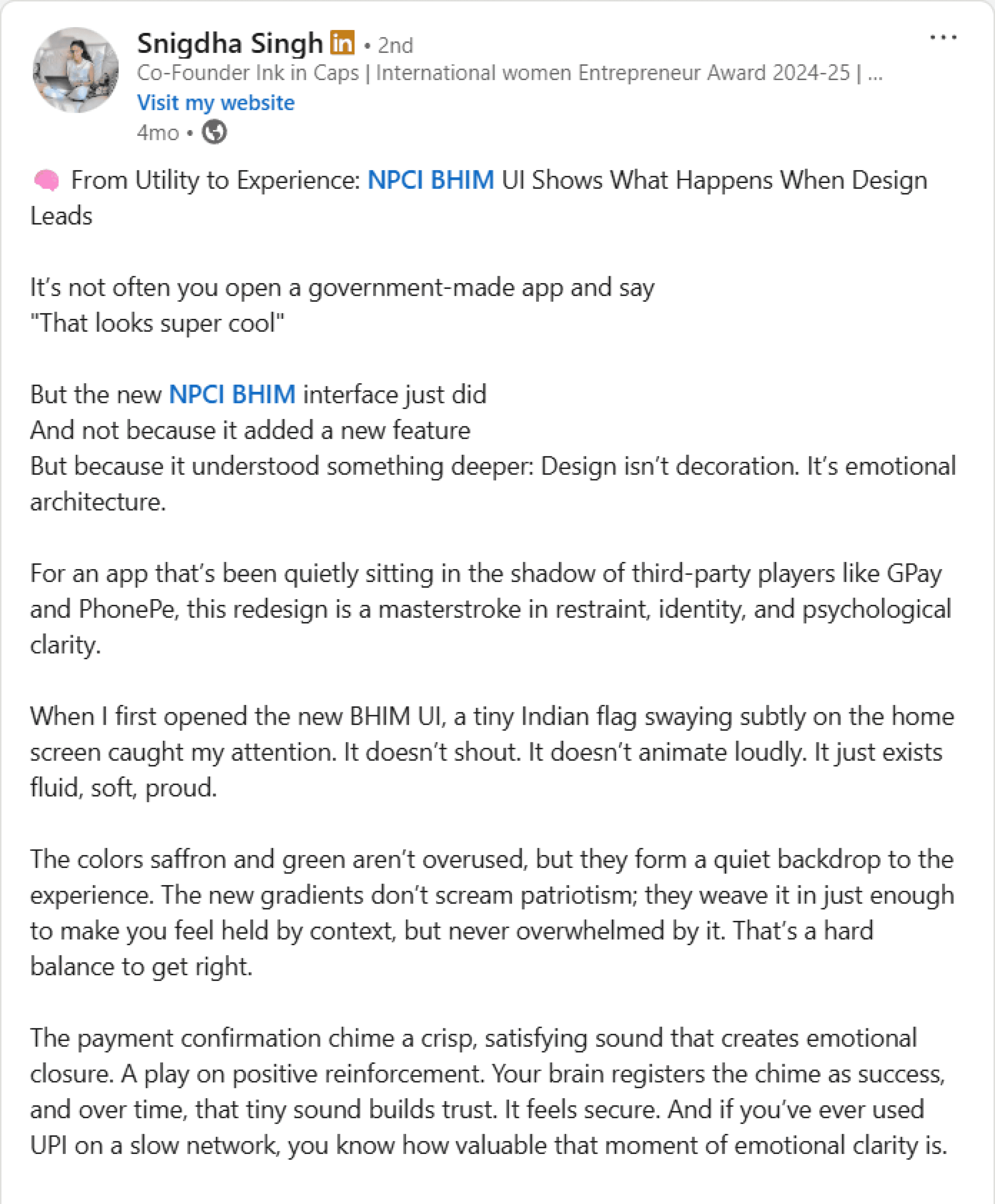
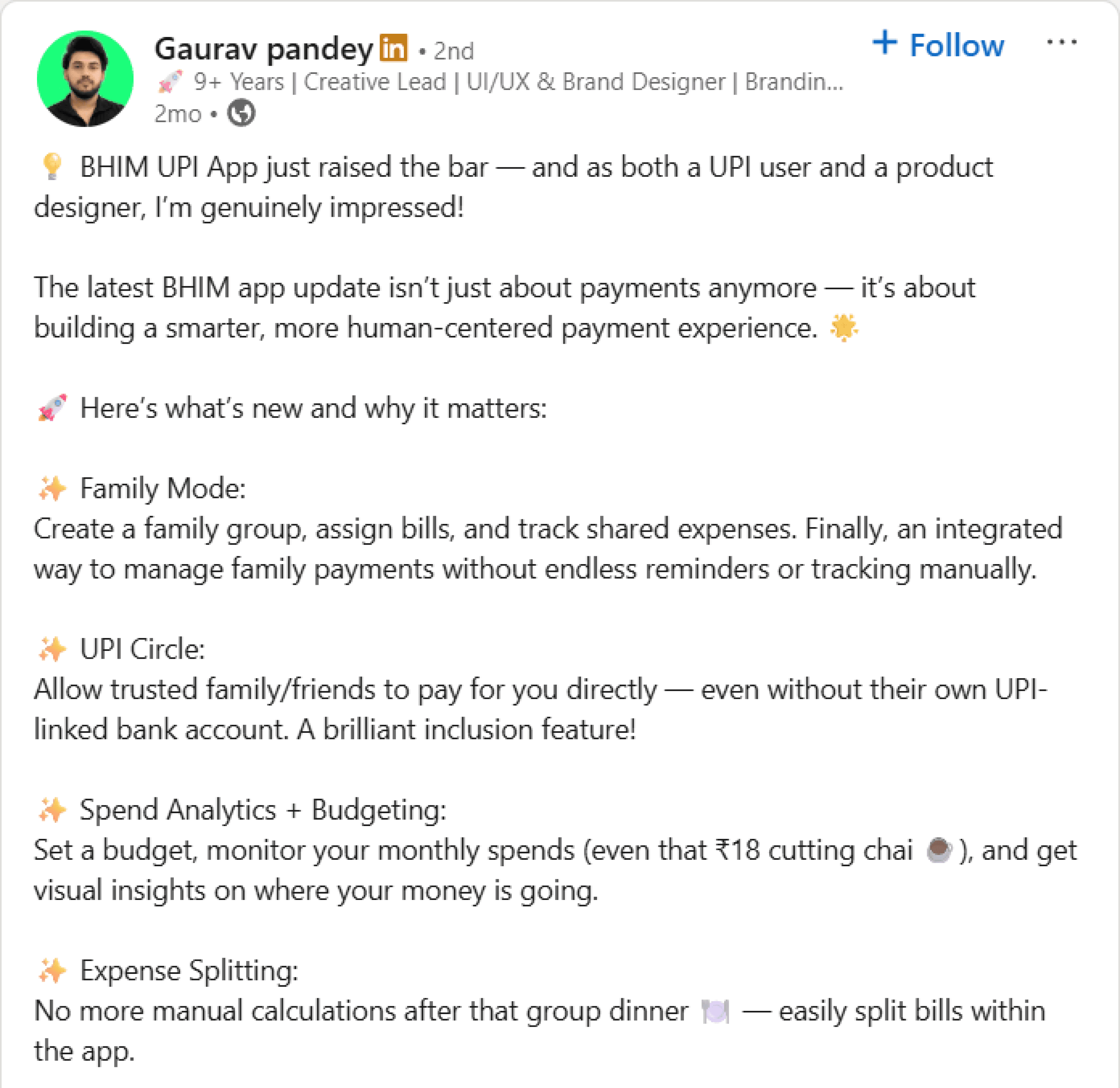
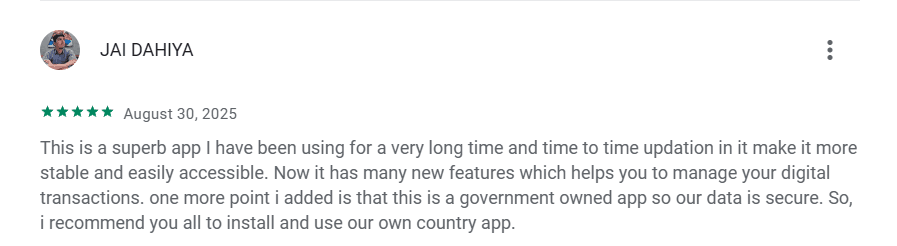
The shift from complaints about complexity to appreciation for simplicity validated our approach:
when you design for inclusion, everyone benefits.
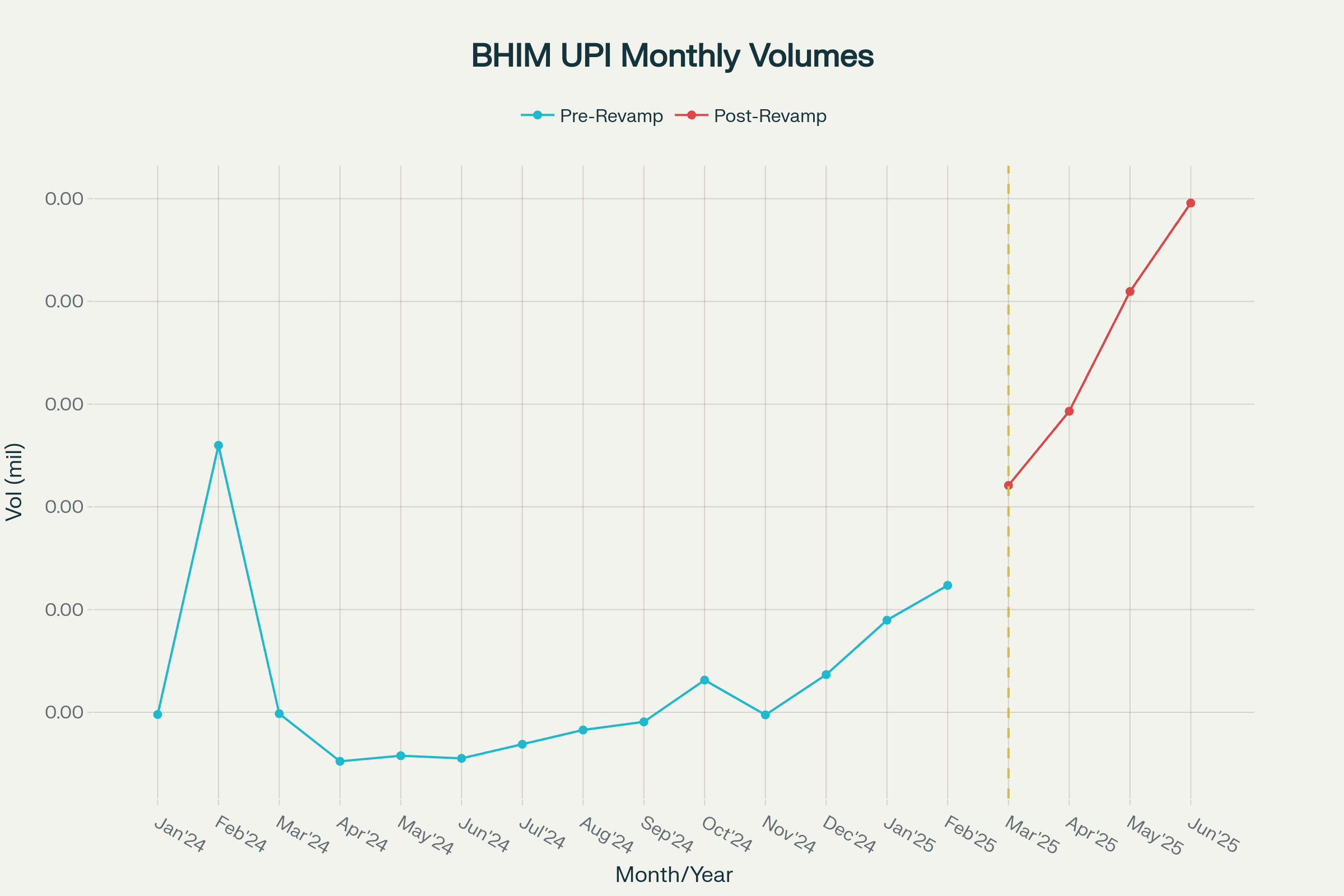
101.8% increase in transaction volume
The app reported 64.6 million transactions in May 2025, up 91% from 33.8 million transactions in January 2025.
Source: Economic Times
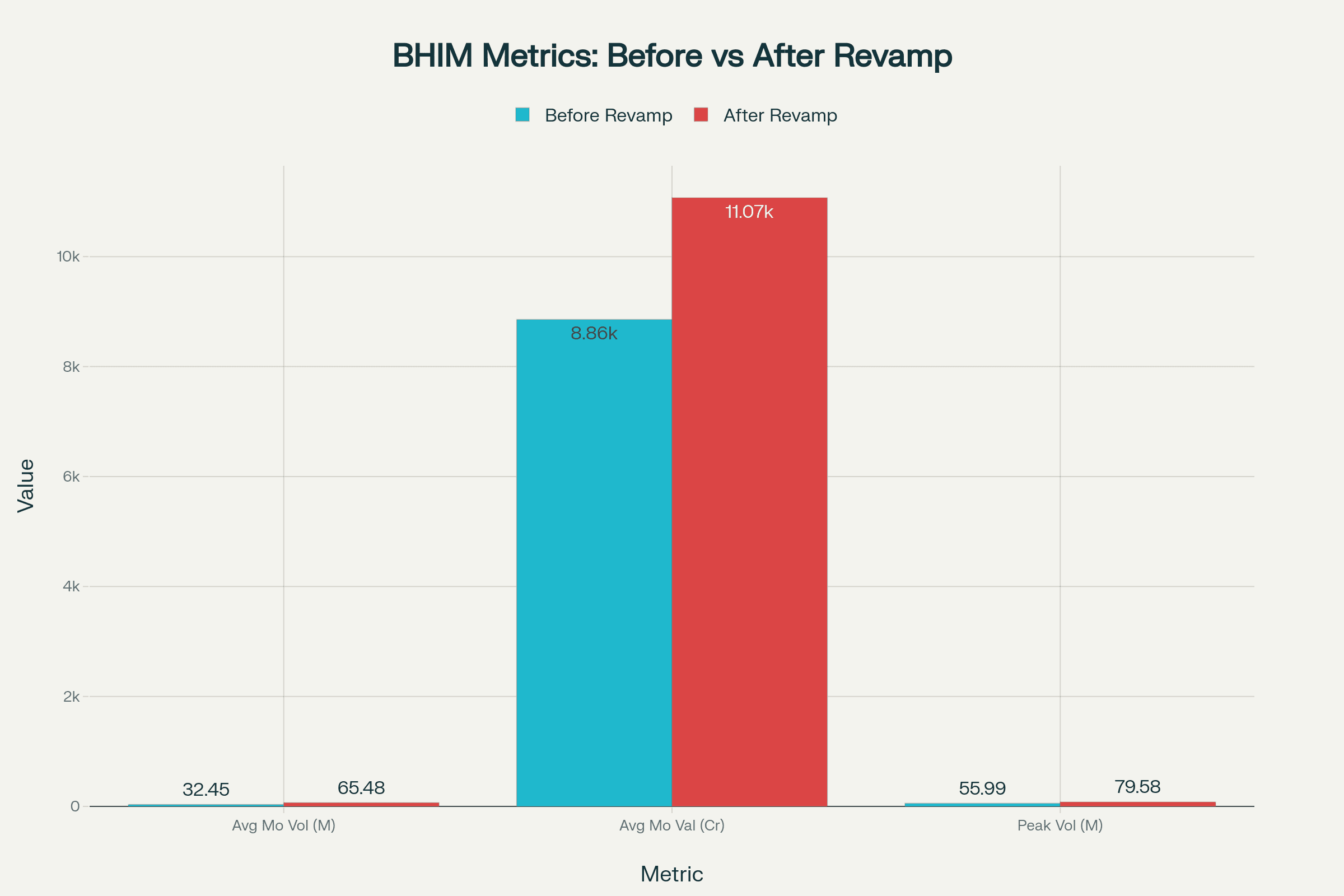
25% increase in avg. total monthly transaction value
The average total monthly transaction value increased from ₹8,857 crores (~$1,024.05 billion USD) to ₹11,069 crores (~$1,279.80 billion USD)
Source: Economic Times
310 million downloads as of 2025
128 million active users in 2025
72% of transactions now come from returning users
More than 260 million merchant payments were processed through BHIM in 2025
Average transaction size decreased from ₹3,500 in 2024 to ₹1,756 in May 2025
P2P transaction volume rose by 22% year-over-year
83% of transactions are now below ₹200, confirming dominance in micro-payments
successfully re-entered top 10 UPI apps by volume in June 2025
after 17-month absence
The Bigger Picture
BHIM's redesign journey offers lessons that extend far beyond payment apps:
For Product Teams
Inclusive design isn't just morally right—it's strategically smart. India's next 500 million digital users won't look like the first 500 million.
For Government Digital Services
Technical excellence without human-centered design fails the very people these services are meant to empower.
for the ecosystem
True digital transformation happens when technology adapts to people, not when people are forced to adapt to technology.
BHIM's evolution from a technical showcase to an inclusive financial tool demonstrates that serving "every Indian" isn't just a noble goal—it's a design challenge that, when solved thoughtfully, creates products that are better for everyone.
A personal win for me was a random day in August’25, as I stood in line at a pet supplies store’s checkout counter, seeing the old man ahead of me pay for his cat’s food using BHIM. When I asked him why he was using BHIM —
“I can use this by myself. For Google Pay I have to ask my grandson for help.”